The shop
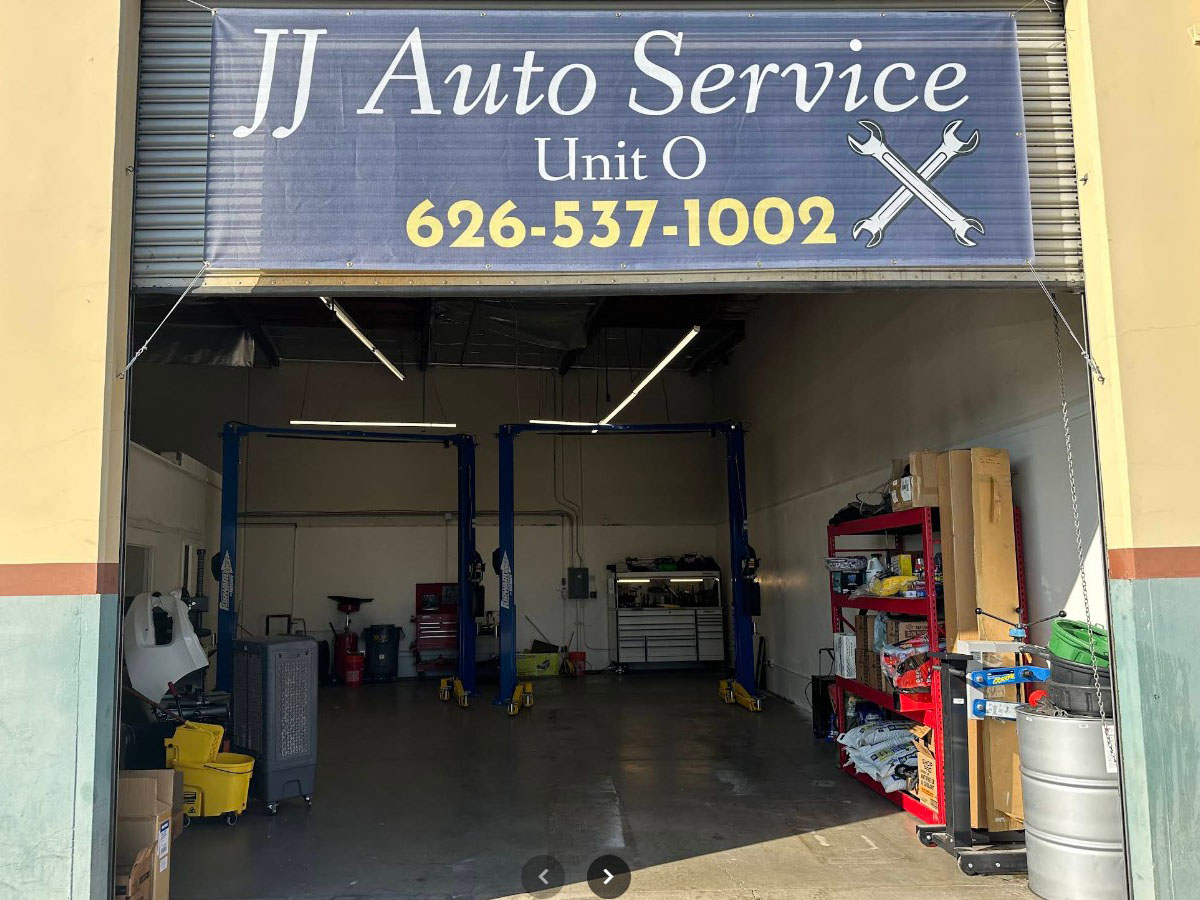
Where the work happens
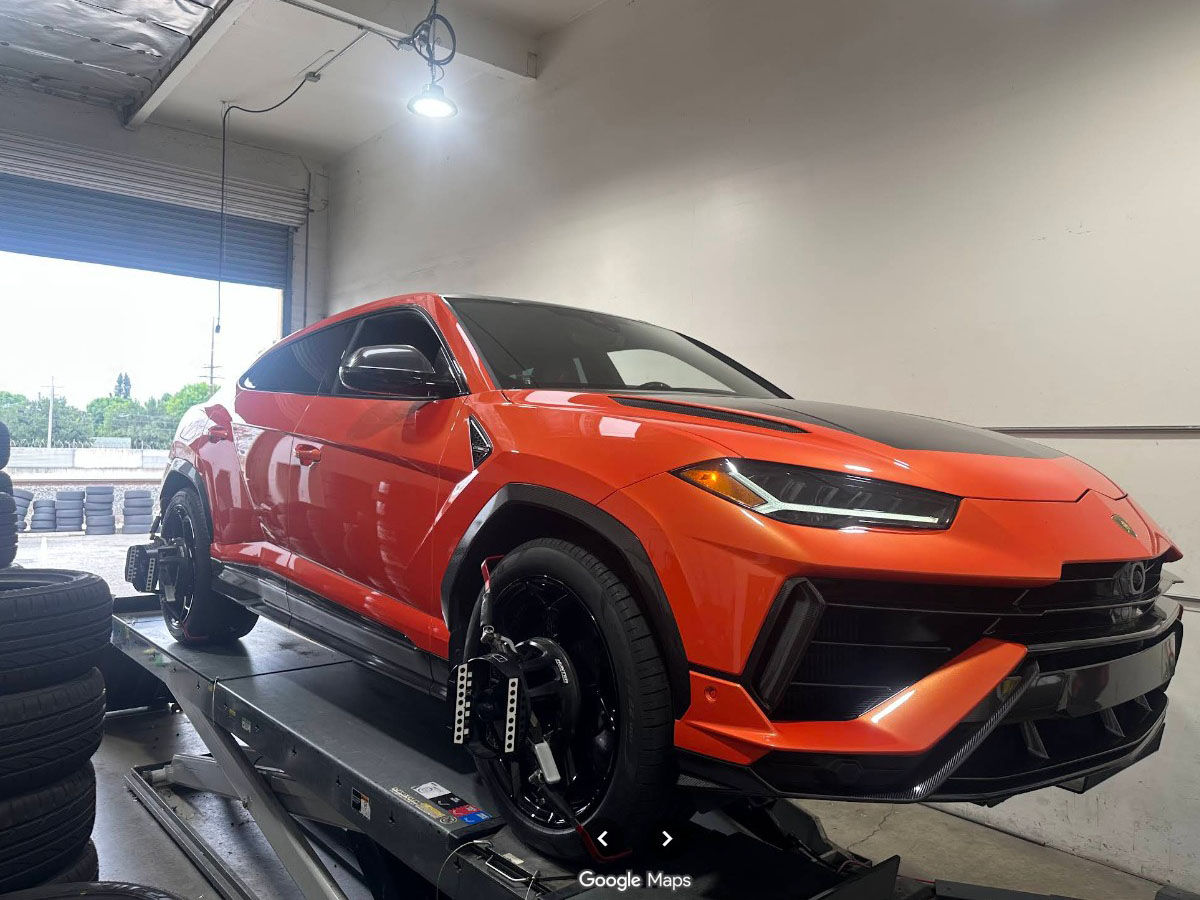
Then balance was never the problem. A wheel can be perfectly balanced and still shake, because a tire is not perfectly round or evenly stiff. We measure that under load and correct it — usually without selling you a tire.
Any one of these points at road force rather than ordinary imbalance. If more than one is true, it's worth the measurement.
And it's already been balanced once or twice somewhere else.
It started the day they went on and nobody has been able to explain it.
Short sidewalls absorb almost nothing. Small imperfections reach you.
Tires generate sideways force too. A second alignment won't fix that.
A bent rim and a bad tire feel identical from the driver's seat.
Before you spend money on a tire that may not be the problem.
The Hunter GSP9700 is a diagnostic balancer. It doesn't just spin the wheel — it road-tests it before it goes back on your car.
A roller presses against the tire with over a thousand pounds of force while it turns, simulating the weight of your car on the road. The tire flexes the way it does at speed.
The machine records how the force changes through every degree of rotation, and measures runout on the rim itself — without taking the tire off. That tells us whether the problem is the tire, the wheel, or how it was mounted.
We rotate the tire on the rim so the tire's stiff spot sits against the wheel's low spot and the two cancel out. Then we balance it. Most of the time that's the whole fix.
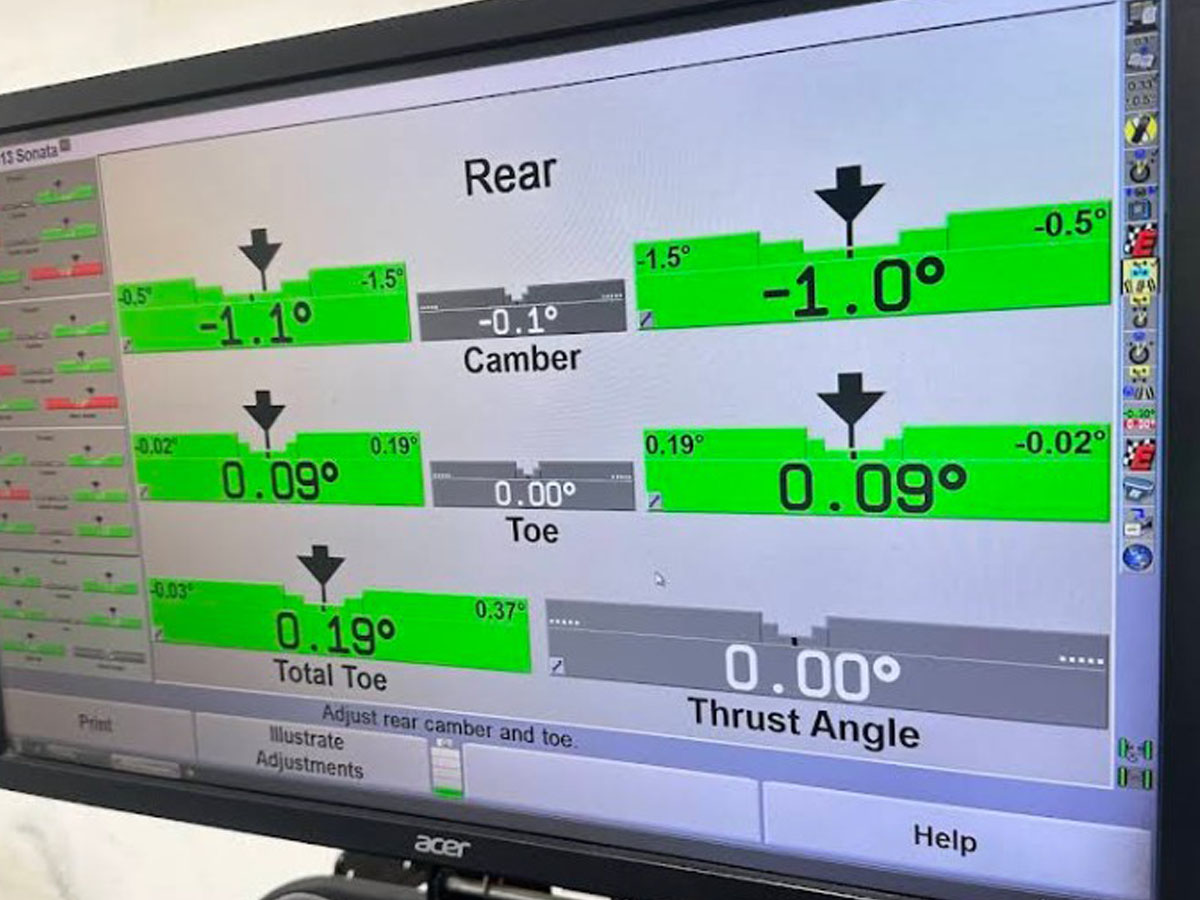
You get the reading before and after, per wheel. If a tire is bad enough that no amount of matching will save it, you'll see that in the numbers instead of taking our word for it.
These aren't our numbers. Carmakers publish road force limits for assemblies leaving a service department, and the GSP9700 is the equipment they specify to measure against them.
| Assembly | Maximum road force variation |
|---|---|
| Passenger car, P-metric tires | 18 lb |
| Light truck, P-metric tires | 24 lb |
| Light truck, LT tires | 35 lb |
Some vehicles are more sensitive than the general guideline and need lower readings to ride smoothly. We aim as low as the tire and wheel will go, not just under the line.
Road force balancing fixes vibration that comes from the tire and wheel assembly. It does not fix a worn wheel bearing, a bad CV joint, a bent hub, a loose suspension component, or a warped brake rotor — and those shake too. We diagnose the cause before we sell you the cure. If the measurement comes back clean, we'll tell you so and keep looking.
We're a full-service independent shop. Road force balancing is what we're known for, not all we do.
The thing customers write about most isn't speed or price — it's being shown the problem before anything gets replaced, and being told when something doesn't need fixing at all. Jun and John have built the shop around that, and road force measurement fits it exactly: it turns "I think it's your tire" into a number you can see.
| Monday | 9:00 AM – 6:00 PM |
| Tuesday | 9:00 AM – 6:00 PM |
| Wednesday | 9:00 AM – 6:00 PM |
| Thursday | 9:00 AM – 6:00 PM |
| Friday | 9:00 AM – 6:00 PM |
| Saturday | 9:00 AM – 5:00 PM |
| Sunday | Closed |
Starting at $25 per wheel. You'll see the reading before and after.
Call (626) 537-1002